

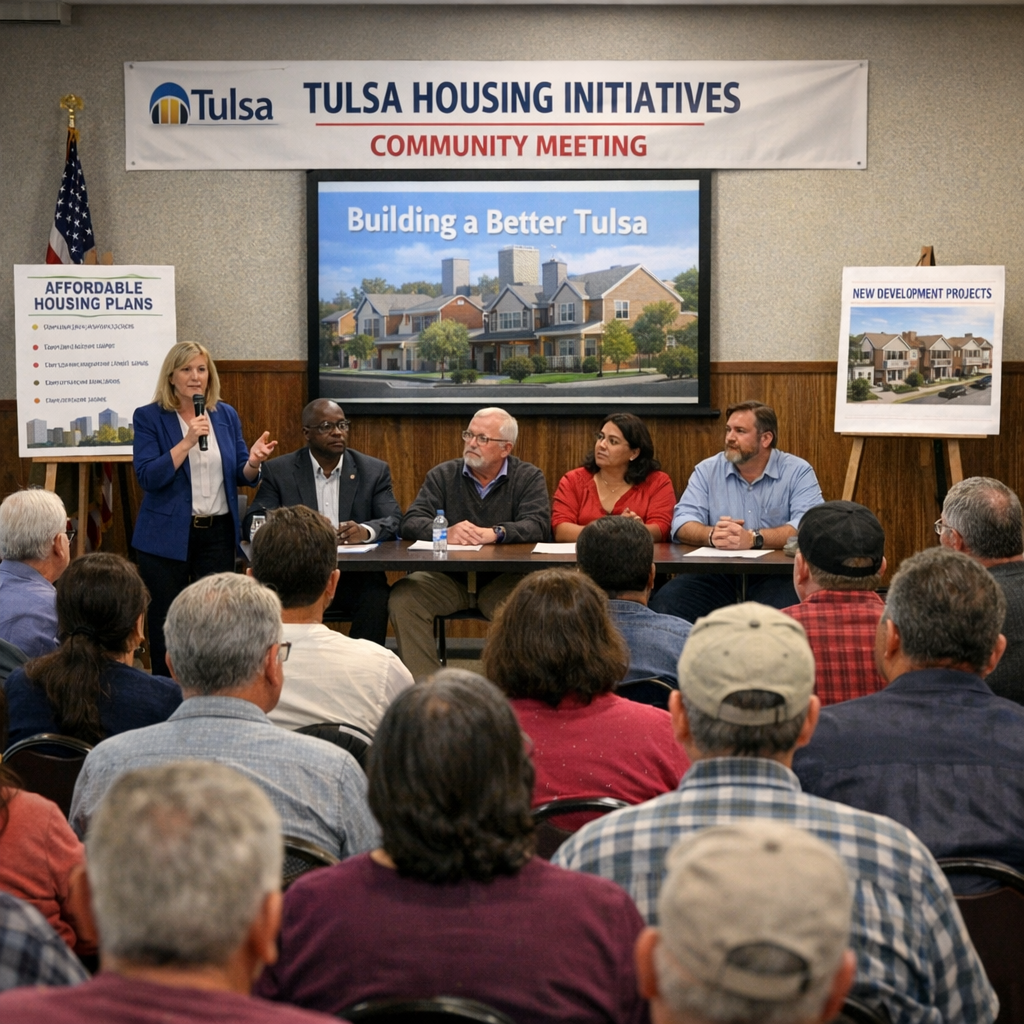
Housing affordability and quality remain pressing concerns for many Tulsa residents. Recent reports indicate that nearly 100,000 households in the city are cost-burdened, with a significant portion allocating over half of their income to housing expenses. This financial strain underscores the need for comprehensive solutions to ensure safe and affordable housing for all.
In response, the Tulsa Health Department has prioritized Healthy and Affordable Housing in its Community Health Improvement Plan (CHIP). This initiative aims to address the social determinants of health by improving housing conditions and accessibility. The CHIP outlines strategies to mitigate issues such as substandard living conditions, overcrowding, and the lack of affordable rental units.
Additionally, the city has launched programs like Safe Move Tulsa, which focuses on rapidly rehousing individuals experiencing homelessness. Since its inception, this initiative has successfully housed over 360 individuals, demonstrating a commitment to reducing homelessness through coordinated efforts.
Community organizations are also playing a vital role. For instance, Oasis Fresh Market is expanding its presence to downtown Tulsa, aiming to alleviate food deserts and provide residents with access to nutritious and affordable food options. This development is particularly significant for areas that have long lacked full-service grocery stores.
While these efforts are commendable, challenges persist. Incidents like landlords failing to pay utility bills have left tenants in precarious situations, highlighting the need for stronger tenant protections and enforcement of housing regulations.
As Tulsa continues to grow, addressing housing affordability and quality will require sustained collaboration between city officials, community organizations, and residents. By prioritizing these issues, the city can work towards ensuring that all Tulsans have access to safe, affordable, and healthy living environments.