

Tulsa is quietly becoming a nexus for technology that touches our lives in ways many of us don’t see until its effects show up at home, at work, or on our phones. Whether you’re raising kids, commuting, or helping aging parents, the local tech boom—led by AI, startups, and infrastructure—is delivering tools and opportunities you might already be using, or soon will be.
From Manufacturing Floor to AI in Everyday Life
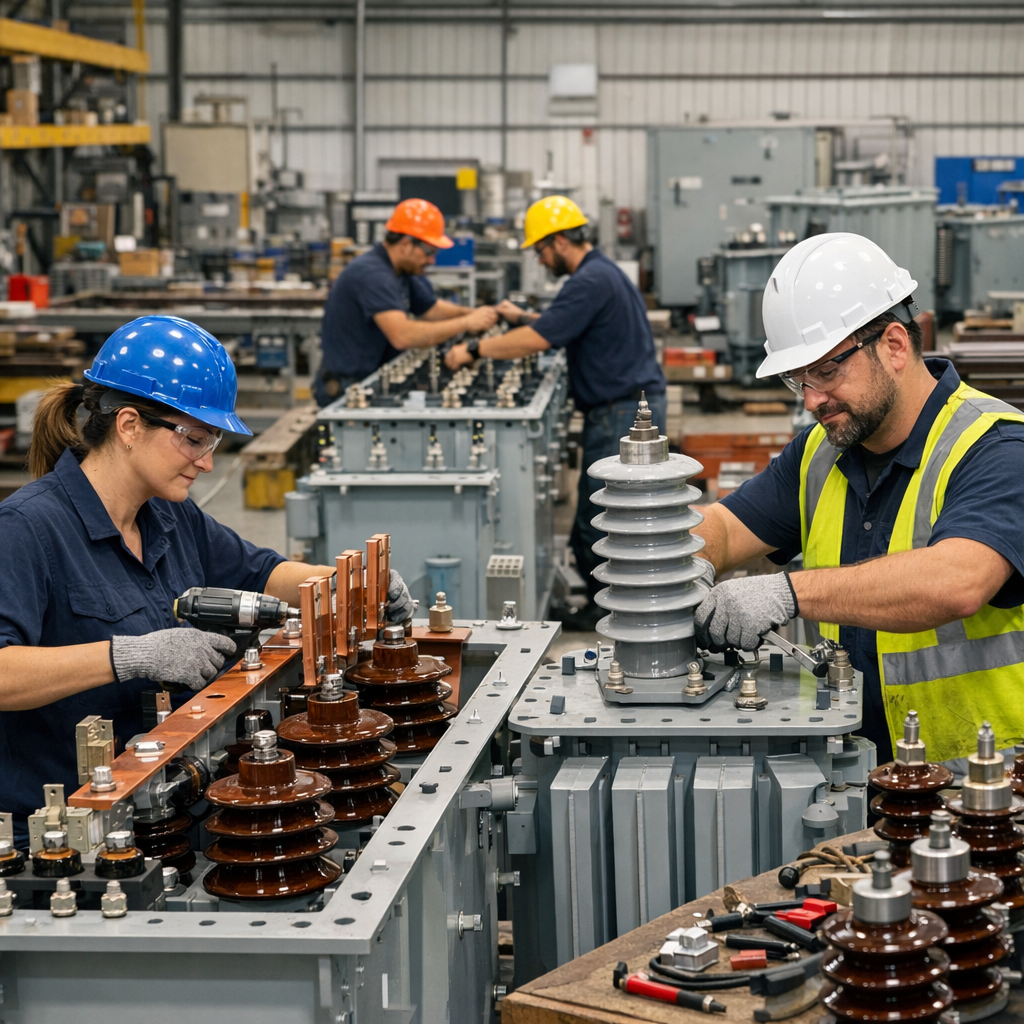
Earlier this month, Crusoe opened a new 400,000-square-foot plant in northeast Tulsa to build key electrical parts for AI data centers—components that help run tools like voice assistants, generative art models, and much more. What might sound abstract is closer to home than you think: these systems are what keep systems like ChatGPT or smart home devices running smoothly. The facility already employs over 300 local workers, up from a smaller team just a couple of years ago.
Local Startups Anchoring the AI Ecosystem
It’s not just about making hardware. A new collaborative hub called the Greenwood Cyber + AI Lab—led by Microsoft, Black Tech Street, and the GEM building—aims to give startups, researchers, and public agencies a place to test and build AI tools focused on cybersecurity, autonomous systems, and responsible innovation.
Meanwhile, several Tulsa startups are winning funding and attention for solving local challenges with AI. For example, energy tech companies that blend environmental science with smart automation have been picked for grants totaling hundreds of thousands of dollars. These ventures often start small—pilots and local contracts—then scale, generating jobs here at home.
Smart Tech in Homes and Communities
AI isn’t just industrial. In Tulsa, a company called Sigma Age is bringing passive-sensor systems into homes to help caregivers check on elderly relatives without using cameras or wearables. The system learns daily routines and flags changes—like a delayed activity or a drop in motion in certain rooms—letting family members stay informed with gentle alerts. That’s tech that directly impacts family life.
Adapting with the Change: Importance of Upskilling
What’s powering all this isn’t just machines—it’s people. As AI tools become more common in regular workflows—from doctors to teachers to designers—local professionals need new skills. Continuous learning is becoming the norm: courses, workshops, and reskilling programs are popping up to help workers keep up. Tulsa’s rising tech hub status means that opportunity is growing—but so is the need.
How You Might Feel This in Your Daily Life
- Smoother online customer service or transit support as more organizations use AI to power call systems and chat tools.
- Local businesses using AI-assisted tools for marketing, design, or content—making small-business promotion more accessible.
- Better local jobs in manufacturing, engineering, and tech, especially if you’re willing to learn new systems and tools.
- For caregivers, peace of mind through passive-sensor tech that watches over habits, not people.
Tulsa’s technology landscape is growing in infrastructure, capability, and human skill. Maybe you don’t notice everything that’s being built, but many signs of the future are showing up in everyday moments—on your phone, in your neighborhood, at work. If you want to ride this wave, start small: take a course, visit a local lab, or support the small startups bringing real change here at home. We’re part of something unfolding in real time; what we do now will shape what we live with tomorrow.