
Understanding the Many Shades of American Politics
The U.S. political landscape isn’t just red and blue anymore—recent research finds nine distinctive groups that reflect not just party leanings but deep divides in values and priorities. These include factions like “No Apologies Right,” “Faith First Conservatives,” “Leftward Progressives,” and “Order and Opportunity Left.” Most Americans fall somewhere between, not fully aligned with any one party’s agenda. This more nuanced view matters as 2026 builds toward its midterms, showing whom campaigns might win over (or lose).
Polarization beyond policy
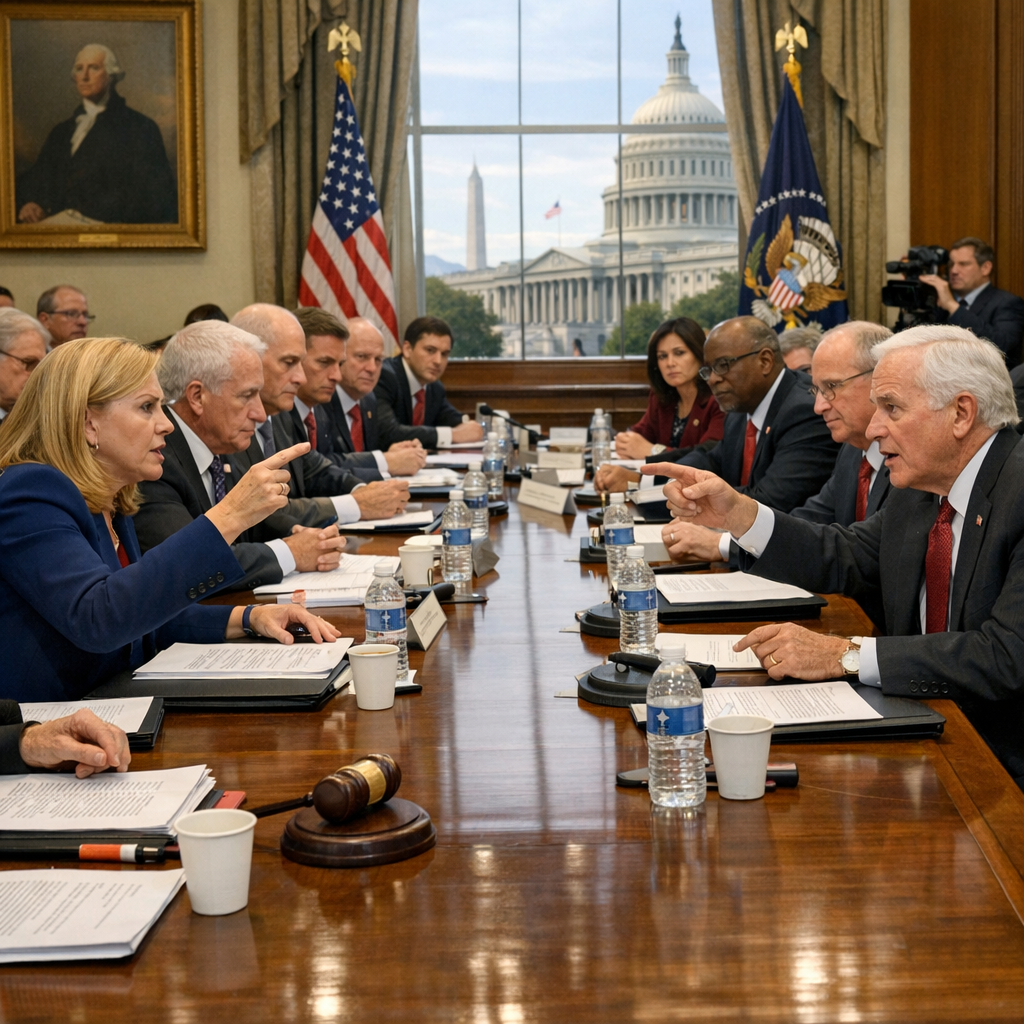
It’s not just what people believe—it’s how different groups see each other. Growing distrust, opposing media bubbles, and cultural divides risk reducing politics to competition, not collaboration. Polling suggests that many are defined more by what they oppose than what they support.
The Economy: Still Strong, but Not Without Risk
Labor market and inflation trends
Unemployment in the U.S. has stabilized around 4–4.4%, and job growth continues—though not as quickly as before. Average hourly earnings and employment costs are rising, but real wage gains are modest once adjusted for inflation. Meanwhile, inflation remains above the Federal Reserve’s 2% target, especially for energy and imported goods; core inflation is slowing, though unevenly. With inflation expected to ease toward 2% in the coming year, risks exist—especially from global energy shocks or trade tensions.
What Among Us Tulsa Readers Should Keep an Eye On
Here are some national trends with local implications:
- With political typologies highlighting mixed values, Tulsa—and Oklahoma more broadly—may see shifts in voter turnout and issue priorities, especially on topics like immigration, social policy, and economic justice.
- As inflation pressures ease slowly, the cost of essentials like housing, food, and energy—butter, anything in our grocery carts—still strain family budgets. Wage growth still trails rising costs in some sectors.
- Employment is solid overall, but signs of slowing growth and fewer voluntary job changes suggest workers may feel less confident about prospects. For people in Tulsa weighing job transitions, the landscape may feel more stable than earlier this decade, but with trade-offs.
Where We’ve Been—and Where We’re Headed
Despite global uncertainty and domestic policy upheaval, America’s economic performance in recent years has been sturdy. Productivity growth has helped sustain GDP gains. But with labor force growth slowing—because of demographic trends and reduced immigration—much of the economic weight falls on innovation, investment, and policy directions that lift wages without fueling inflation. Meanwhile, political divisions, especially among those very invested in one side or another, will shape debates over the next phases of federal policy: from budgets and spending to trade and global relationships.
For Tulsa readers, this means keeping aware of how national decisions—on interest rates, trade, social policy, and more—filter down locally. Whether it’s through jobs, costs, or community cohesion, the decisions made Washington reverberate in Creek, South Tulsa, and everywhere in between.