

Tulsa, Oklahoma, is experiencing significant climate challenges, including increased heat, precipitation, and fire risks. Projections indicate a rise in days exceeding 100.6ºF, from about 7 days in 1990 to approximately 35 days by 2050. Additionally, the proportion of precipitation during heavy downpours is expected to increase, and about 62% of buildings in Tulsa are at risk of wildfire. These changes underscore the need for proactive environmental strategies.
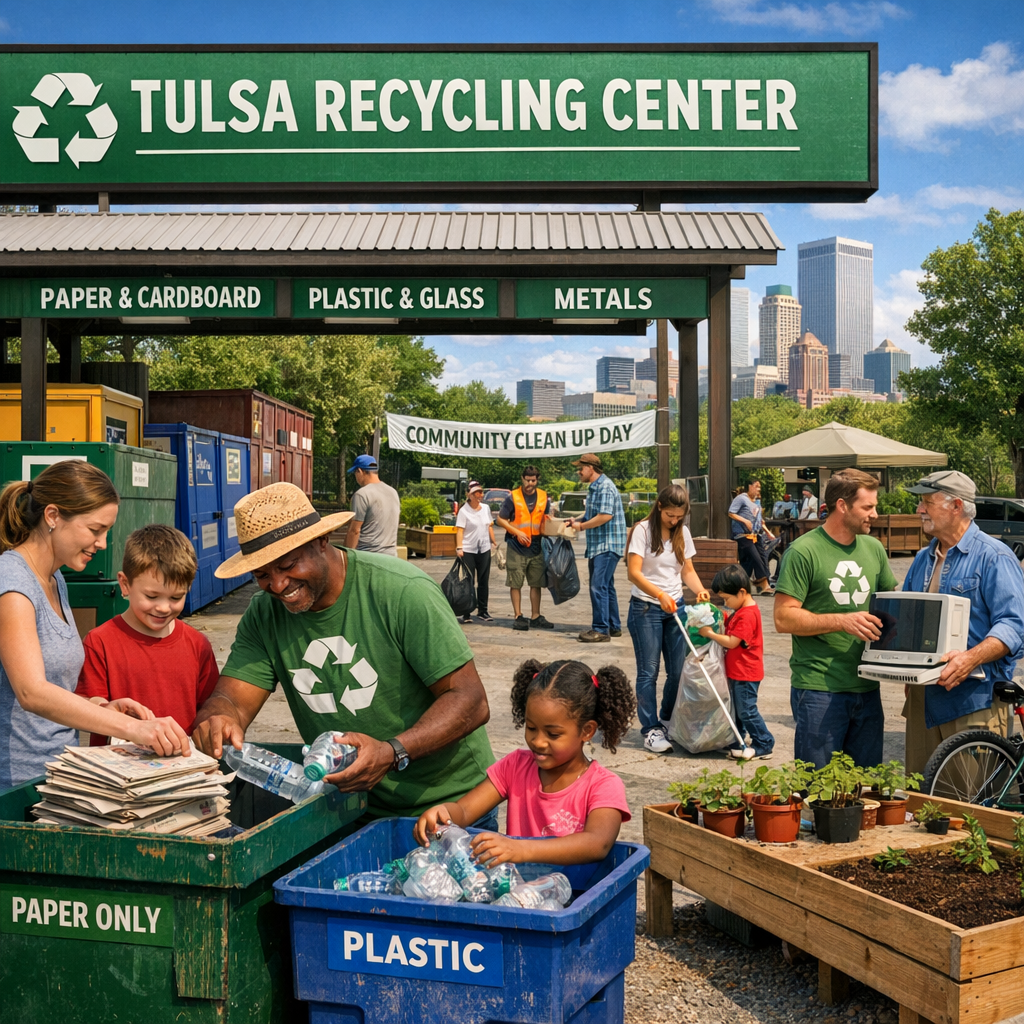
In response, Tulsa has initiated several community-driven programs. The Metropolitan Environmental Trust (The M.e.t.) operates eight recycling centers across the metro area, promoting environmental responsibility through education and special collection events. The Tulsa Zoo supports over 360 conservation projects worldwide and has implemented green practices, achieving zero-landfill status with 20 different recycling streams. The Tulsa Urban Wilderness Coalition focuses on protecting local wilderness areas, such as Turkey Mountain, and engages in projects like pollinator meadows and trail accessibility improvements. The Yard by Yard Community Resiliency Project, launched by the Tulsa County Conservation District, recognizes residents who implement practices promoting water, land, and ecological resilience, encouraging nature-friendly yards with native plants and pollinator habitats.
These initiatives reflect Tulsa’s commitment to addressing climate challenges through community engagement and sustainable practices, fostering a resilient and environmentally conscious city.